

Couples Therapy
Get back to your sweet spot, together.
When the disconnection and conflict keep resurfacing, it can be hard to feel understood, close, or hopeful about what comes next.
Couples therapy can help you change the patterns between you and build a relationship that feels different.

Your Skeptical Parts are Welcome.
As couples consider starting therapy, there may be one of you that has been wanting to do this for a while, hoping and asking for things to change.
Another one of you might just be here because your partner asked you to be. You might not be convinced that talking about your relationship with a stranger is going to help.
Some common fears when thinking about starting couples therapy include: fear of being blamed for everything, that you’ll talk for an hour without anything actually changing, or that you’ll open up all of the wounds and feel even farther apart.
You don't have to arrive at your first therapy session knowing what to do. Just come as you are with the stories you have about your relationship and we will sort through them together and help you write the next chapter of your relationship how you want it to be.
Let’s start with one conversation.

What couples come to therapy for:
Communication Breakdown
You keep having the same argument over and over.
Parenting
Raising a little person brings so many decisions to negotiate.

Life Transitions
Moving, career changes, or aging parents have shifted the relationship.

Feeling Misunderstood
You’ve been feeling more alone than you would like to.

Communication
Talk about what really matters without escalating or shutting down.

Shared Responsibility
You want a partner in taking care of your home.

Rebuilding Trust
You chose to stay and build past the infidelity.
Intimacy & Sex
Increase connection around sex, desire, affection, or physical connection.
LGBTQ+ Relationships
Tend to the dynamics that can arise around identity, gender & sexuality.
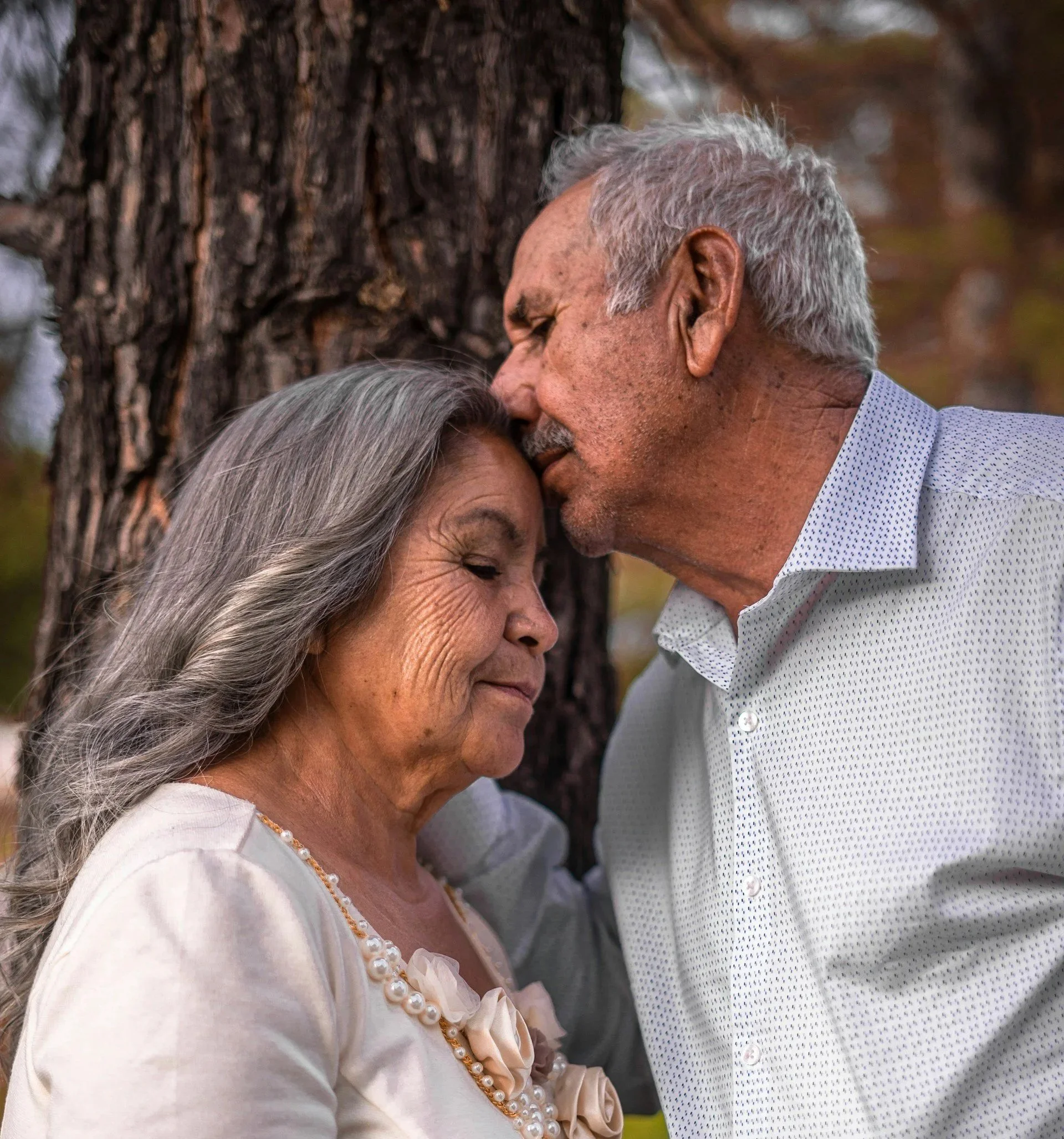
“It’s good to feel like we can support each other again.”
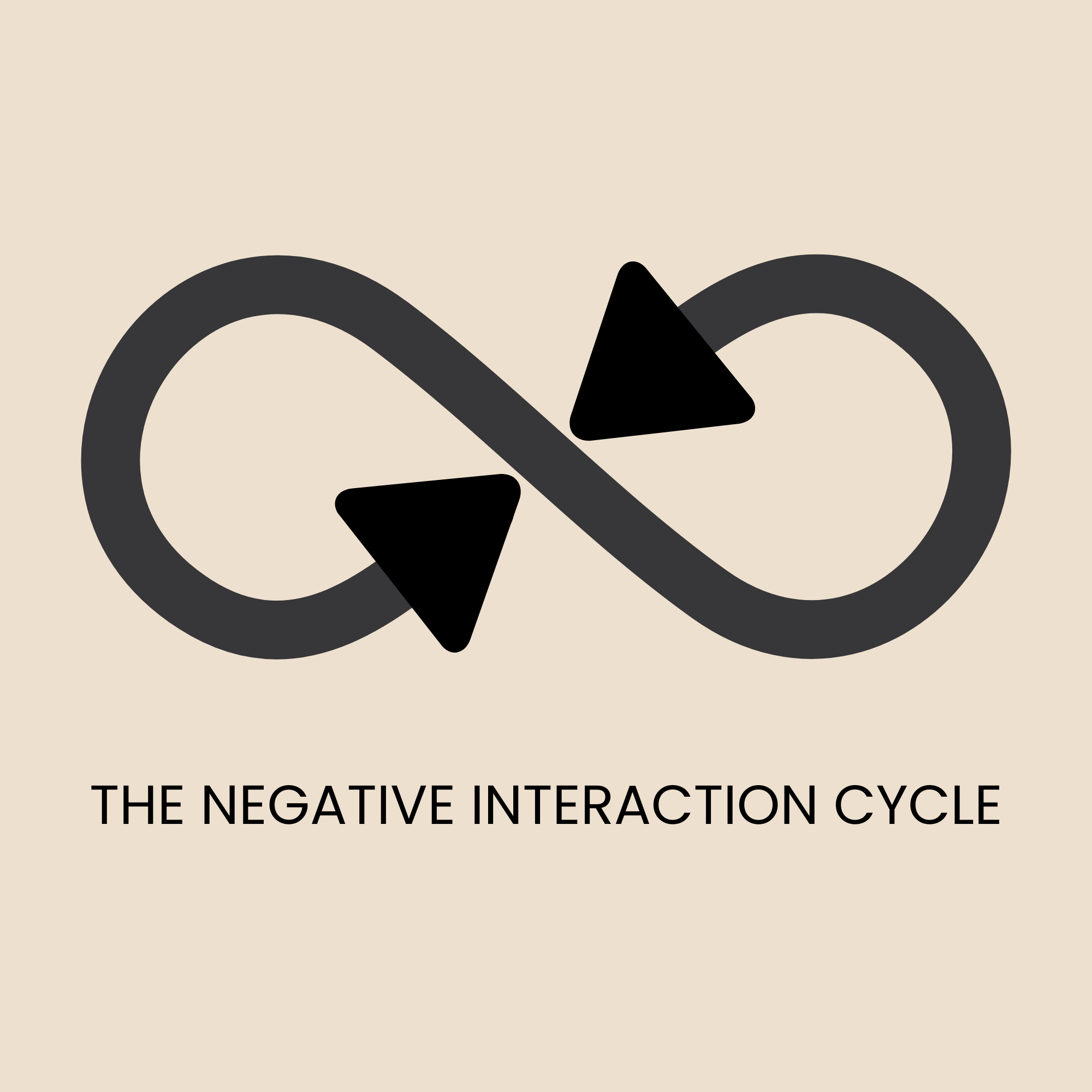
Support the parts
that are activated by the cycle
Respond to each other differently
Stop the negative cycle
Rather than asking…
“Who’s right?”
We get curious about what’s happening underneath the fight of the week.
What are you protecting?
What are you needing?
What are you trying to communicate when you act that way?
What do you try next?
Feel more connected and understood
More than communication tips.
A deeper understanding of your relationship.I help you do that more successfully.
The romantic relationship is often our primary attachment relationship in adulthood. I draw from Emotionally Focused Therapy (EFT), an attachment-based approach that helps you understand the negative cycles you get caught in—and the deeper needs driving it so you can better communicate what you actually want - and be heard!
I weave in Internal Family Systems (IFS) therapy to support the parts of you that get defensive, shut down, criticize, or push harder. You are likely trying to protect something important.

What actually happens in couples therapy?
You will identify your cycle
We'll map out what happens when the two of you get disconnected—rather than treating either partner as the problem.
You will practice new ways of responding
You'll practice listening, expressing needs, responding differently, and repairing after disconnection.
You will slow things down
Instead of trying to solve everything at once, we'll practice staying engaged with what's happening in the moment.
You will start to understand each other
Listening deeply provides more mutual compassion and curiosity.
You will work underneath the argument
Many recurring conflicts are carrying deeper concerns about security, rejection, trust, autonomy, worth, or being understood.
You will have new tools for lasting change
You are building a relationship where both people can feel more secure, understood, and connected.

Couples Therapy for Hawai’i State
I provide couples therapy virtually throughout the Hawai’i state, including:
Hawi, Waimea, Hilo, Kona - Big Island
Honolulu, Kailua - O’ahu
Kahului, Kihei, Wailuku - Maui
Kapa’a, Lihue - Kaua’i
And surrounding communities
Couples sessions are available online, making therapy accessible no matter which island of Hawai’i state you are on.

Couples Therapy for Colorado State
I provide couples therapy virtually throughout the Colorado state, including:
Denver
Boulder
Colorado Springs
Grand Junction
And surrounding communities
Couples sessions are available online, making therapy accessible no matter what corner of Colorado state you are in.
LGBTQ+ Affirming Couples Therapy in Colorado and Hawai’i
Whether you're exploring your identity, navigating a relationship, or working through experiences that have shaped how you see yourself, you deserve a space where you can show up as you are. I work affirmingly with LGBTQ+ individuals, couples, and families, making room for the questions, emotions, and experiences that matter to you. Together, we'll explore what's getting in the way, build on your strengths, and find ways to feel more connected to yourself and the people you love.

A relationship therapist who crafts the connection you crave

Relationships affect so much of our lives: how we feel about ourselves, how we handle conflict, and how connected we feel to the people we love. When things get difficult, it can be hard to see beyond the immediate frustration or hurt. Therapy can help you make sense of what's happening, recognize what each of you needs, and find new ways to respond.
Drawing on Emotionally Focused Therapy, Internal Family Systems (IFS), CBT, EMDR, and other approaches, we'll work to create change that reaches beyond the therapy room. My style is warm, direct, curious, and practical. I won't take sides or decide who's right. I'll help you slow things down, see what's beneath the surface, and find ways forward that feel meaningful in your everyday life.
Frequently Asked Questions
-
It's common for partners to feel differently about starting therapy. One person might be ready to talk, while the other worries about being blamed, criticized, or pressured to change. You don't have to arrive with the same level of enthusiasm or certainty. We can start by exploring what each of you hopes for, what feels difficult about being here, and what would help therapy feel worthwhile. The goal isn't to take sides—it's to help both of you feel heard and find a way forward together.
-
Repeated arguments often point to something deeper than the topic you're fighting about. Beneath frustration or defensiveness, one partner may be longing for reassurance or connection, while the other feels criticized, overwhelmed, or afraid of getting it wrong. Before long, you're reacting to each other instead of reaching each other. In therapy, we'll work to identify what's happening between you, understand what each of you needs, and practice new ways of responding so difficult conversations can lead to greater understanding rather than more hurt.
-
Yes. Infidelity can shake the foundation of a relationship, leaving partners with painful questions, broken trust, and very different experiences of what happened. Therapy provides space to address the hurt, understand the impact, and explore what rebuilding trust would require. Healing takes time, and there's no one-size-fits-all timeline. Whether you're hoping to repair your relationship or still trying to figure out what comes next, we can work toward greater clarity and a more intentional path forward.
-
You don't need to have a clear explanation for what's happening to begin therapy. Sometimes distance develops gradually through busy schedules, accumulated disappointments, stress, or conversations that never quite happen. You might still care deeply about each other but feel more like roommates than partners. We'll explore what the disconnection looks like for each of you, what may be contributing to it, and how to begin rebuilding closeness, curiosity, and connection. You don't have to know exactly what needs to change before we start.
-
You don't have to be struggling to benefit from couples therapy. Even strong relationships can benefit from intentional time to reconnect, explore each other's inner worlds, and keep growing together. We can focus on strengthening communication, deepening emotional and physical intimacy, navigating differences with greater ease, and building skills that support your relationship through life's changes. Think of it as investing in the relationship you have and the one you want to keep creating together.
-
Absolutely. I welcome LGBTQ+ couples and relationships of all identities and configurations. Your relationship deserves care that respects who you are, how you define your partnership, and the experiences that shape your lives together. Whether you're navigating communication, intimacy, identity, family dynamics, or the impact of stress and discrimination, we'll work together in a space where you don't have to explain or defend the validity of your relationship.
-
Yes. You don't have to be certain you want to stay together to seek support. Sometimes one partner is ready to work on the relationship while the other is questioning whether they can or want to continue. Therapy can help you slow things down, speak honestly about what's brought you here, and explore what each of you needs. Depending on your goals, our work may focus on repairing the relationship, gaining clarity about your options, or making decisions with greater care and understanding.
-
Yes. I offer online couples therapy for couples located anywhere in Colorado. Meeting virtually allows you to attend from home or another private space that works for both of you, without adding a commute to your day. Online sessions can be a practical way to make consistent time for your relationship, even with busy schedules or when you're in different locations on the island.
-
Emotionally Focused Therapy (EFT) helps couples understand and change the emotional dynamics that leave them feeling disconnected, defensive, or caught in conflict. Rather than focusing only on communication techniques, we look at what's happening underneath your reactions—such as the need for reassurance, the fear of rejection, or the feeling that you're not enough for your partner. Together, we'll work to interrupt painful cycles, communicate more openly about what matters, and build a relationship where both partners can feel safer, more understood, and more connected.
-
In Colorado I accept:
Optum - UnitedHealthCare/UHC, Oscar, Student Services, Oxford, GEHA, UMR and Surest
Aetna - GEHA, Meritain
Anthem BCBS or Blue Cross Blue Shield, or Anthem
Kaiser
ChampVA
Colorado Medicaid - Colorado Access/COACCESS, Rocky Mountain Health Plan/RMHP, NorthEast Health Partners/NHP, Colorado Community Health Alliance/CCHA
Self pay